USA 20-30-40-50-60 Ignition Vacuum Advance
fits make: Oldsmobile. year: 1961–1963.
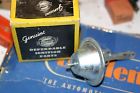
( Brand: Usa ), ( Manufacturer Part Number: 20-30-40-50-60 ), ( Part Type: Ignition Vacuum ), ( Placement On Vehicle: Front ), ( Surface Finish: Nos Nors Flathead Old New School 6 Volt ), ( Country/region Of Manufacture: United States )
Review USA Oldsmobile Ignition Vacuum Advance fits 1961–1963
The 20-30-40-50-60 1961-1963 Oldsmobile Ignition Vacuum Advance is a vital component of the classic Oldsmobile automobiles from the early 1960s. This part is an essential element of the vehicle's ignition system, responsible for controlling the timing of the spark plugs for optimal engine performance.
The 20-30-40-50-60 designation refers to the vacuum advance ratio, indicating the amount of advance in degrees of crankshaft position for each inch of vacuum. This particular model features a vacuum advance ratio of 20-30-40-50-60, meaning it provides a more aggressive ignition advance under light engine loads and a smoother, more conservative ignition advance under higher engine loads.
The ignition vacuum advance is a mechanical device that uses a diaphragm to adjust the ignition timing based on engine vacuum. By doing so, it ensures that the spark plug fires at the ideal moment, providing the most efficient combustion and maximizing engine performance.
This Oldsmobile ignition vacuum advance is made from high-quality materials, ensuring durability and reliability. It features a robust design, with a sturdy metal housing and a diaphragm that is resistant to wear and tear. The vacuum hose connections are secure, preventing leaks and maintaining a consistent vacuum level.
Installing the 20-30-40-50-60 1961-1963 Oldsmobile Ignition Vacuum Advance is straightforward, and the part comes with clear installation instructions. The vacuum advance can easily be connected to the existing vacuum system in your Oldsmobile, and the mechanical design ensures easy adjustment of the vacuum advance ratio.
In conclusion, the 20-30-40-50-60 1961-1963 Oldsmobile Ignition Vacuum Advance is a crucial component of your classic Oldsmobile's ignition system. Its robust design, adjustable vacuum advance ratio, and easy installation make it an excellent choice for maintaining the optimal performance of your 1960s Oldsmobile.
Pros of buying a 1961-1963 Oldsmobile with a vacuum advance ignition system:1. Parts Availability: Oldsmobiles from this era are relatively common, and many parts for the vacuum advance ignition system are still available.
2. Reliability: Vacuum advance systems are known for their durability and reliability, which can reduce the need for frequent repairs.
3. Affordability: Older cars, such as 1961-1963 Oldsmobiles, are generally more affordable than newer models.
4. Classic Appeal: These cars have a classic look and feel that many people find appealing.
Cons of buying a 1961-1963 Oldsmobile with a vacuum advance ignition system:1. Complexity: Vacuum advance systems can be complex to diagnose and repair, which may require the help of a mechanic with specialized knowledge.
2. Fuel Efficiency: Older cars, such as these Oldsmobiles, are generally less fuel-efficient than newer models.
3. Maintenance Costs: While parts may be affordable, the cost of regular maintenance and repairs for an older car can add up over time.
4. Dependability: While the vacuum advance system is reliable, older cars in general may be less dependable than newer models.
Conclusion: Buying a 1961-1963 Oldsmobile with a vacuum advance ignition system can be a good choice for someone who enjoys working on classic cars and is looking for a reliable and affordable option. However, it's important to be aware of the potential complexity of the vacuum advance system and the ongoing maintenance costs.
Recommendation: If you're considering buying a 1961-1963 Oldsmobile with a vacuum advance ignition system, it's a good idea to have the car inspected by a mechanic to ensure that it's in good repair and that the vacuum advance system is functioning properly. It may also be a good idea to budget for ongoing maintenance and repair costs. Additionally, consider whether you have the skills and resources necessary to diagnose and repair issues with the vacuum advance system, or if you'll need to hire a mechanic to do so.
Details:
Template made by.
part #: 2030405060 price
- $11.90
specifications ignitiosyste:
- for makes: Oldsmobile
- for years: 1961-1963
- brand: Usa
- mpn: 20-30-40-50-60
- part type: Ignition Vacuum
- placement on vehicle: Front
- surface finish: Nos Nors Flathead Old New School 6 Volt
- country/region of manufacture: United States
Ratings:
- Excellent!! 5 stars. 11-17-17
- Prompt service. ThankVery happy 11-17-17
- Good deal ! 11-19-17
- Nice! 11-19-17
- As described promptly shipped. 11-18-17
Seller ignitiosyste:
- zipcode: 96021
- city: Corning, California
Returns ignitiosyste:
- type: Money Back
- time: 30 Days
- paid by: Buyer
- policy: returns accepted
General ignitiosyste:
- in stock: Yes
- motors > partsaccessories > vintage cartruck parts > ignition systems vintage car truck parts
- condition: New other see details
Offer ignitiosyste:
- quantity: 1
- Sold: 0
- Started: November 19, 2017, 9:01 pm
- best offer: false
- bids: 0
Shipping ignitiosyste:
- handling: 1 days
- cost: $3.65
- type: Flat
Payments ignitiosyste:
- PayPal
Usa 20-30-40-50-60 Is Similar To:
- 116512 Usa Corvette Chevy Pass Cars Trucks Also Gmc Ignition Switch (18.2% similar) 56 57 GMC and Chevy pick-up truck. Nos corvette ignition switch housing. Replaces gm and decals fits Chevy Blair...(March 11th, 2018)
- 1237013082 Bosch Nos Mercedes Benz Usa Ce Se Sl Sel Ignition (26.1% similar) Original bosch points made in Germany...(March 26th, 2018)
- 19136343 Chevrolet Ignition Distributor Primary Wire Lead Usa (12.9% similar) This is a new part. Not a current reproduction made in china. Made in the us. 10 long this is a vintage quality ignition distributor wire lead with factory crimped terminals...(March 1st, 2019)
- 2625sm Gp Silicone Blue Hi Energy Ignition Plug Wires Ford Usa (12.8% similar) Usa made wire set on the shelf 30 years blue 8MM grand-pro brand F3926 listed for ford cars and trucks 351M-370,400,429 lengths are overall coil 19 INCH,1 24,1 27,3 wires 3/3 2 inch with white print look close at pictures. These are hie type wires if you wanted blue on your Chevy ,these might fit a...(April 29th, 2018)
- 325-10 Poweready Ignition Switch Lock Cyl Keys Made In Usa Desoto (20.6% similar) ...(November 7th, 2018)
- 325-9 Poweready Ignition Switch Lock Cyl Keys Made In Usa Bronco (16.7% similar) ...(November 7th, 2018)
- A201 Delco Remy Condenser Brand New Metal Box Usa Made (25.6% similar) ...(November 16th, 2018)
- B7T-12127 Usa 1957 Distributor Assembly Ford Box Vintage Mint Nos Ignition (17% similar) This offer is for a new old stock ford distributor assembly part number B7T c in the original box. Included ford oem point set, condenser and vacuum unit, see photos...(July 24th, 2015)
- Coaf-12370-a Autolite Edsel Falcon Comet Distributor Vacuum Advance Nos Fomoco Usa (12.3% similar) This free shipping offer is for a new old stock genuine formic auto lite ignition distributor vacuum advance chamber, that fits the following 1961 comet 170 cu. Shipping is fast free to anywhere within Usa. Automatic transmission. Thanks and good luck buying. 6 cylinder standard transmission ...(September 1st, 2018)
- D118 1958-58-1959-59 Corvette-vette Ignition Switch-d-1427-1116547-new-usa (11.3% similar) I'm willing to combine offers for better shipping costs. Part number: D118: reproduction ignition switch for your corvette that is 100 made in the Usa. It has 6 spade wiring terminals is made as original. 95 USPS priority mail in the us. Phone number. Which includes a delivery confirmation receipt. ...(February 4th, 2018)
- D1462 1960-1961-1962 Corvette-vette Ignition Switch-d-1116577-new-usa (21.8% similar) Which includes a delivery confirmation receipt. Part number: D1462: reproduction ignition switch for your corvette that is 100 made in the Usa. This ignition switch replaces the following gm number Delco D1493. This is the ignition switch only. 95 USPS priority mail in the us. Phone number. I'm ...(November 2nd, 2017)