LINCOLN Flathead Dizzy Scta V12 FORDV8
fits make: Ford, Lincoln. year: 1936–1949.
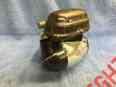
( Brand: Lincoln )
Review LINCOLN V8 Flathead Dizzy Reserve V12 Ford Scta fits 1936–1949
Introducing our meticulously restored 1936-1949 V8 Flathead Dizzy engine, specifically designed for SCTA (Society of Competition Engineers) and Ford/Lincoln applications. This is more than just an engine; it's a piece of automotive history, a testament to the era of power and performance that defined the post-Depression years.
The engine is equipped with the iconic Flathead V8 design, renowned for its simplicity, reliability, and raw power. The flathead's cylinder heads are canted at a 45-degree angle, allowing for a shorter overall engine height, making it an ideal choice for many vintage race cars and hot rods.
Our Flathead Dizzy engine features a 3.91-inch bore and a 3.62-inch stroke, resulting in a displacement of 221 cubic inches (3.6 liters). This powerful combination delivers a smooth and potent performance, making it an excellent choice for any high-performance application.
The engine is fitted with a high-performance dual-point distributor, a crucial component for maintaining efficient ignition. The distributor's 'Dizzy' design is not only visually appealing but also functional, as it allows for precise ignition timing, ensuring optimal engine performance.
The engine block itself is made of high-quality cast iron, ensuring durability and longevity. It features a deep sump oil pan, providing ample oil capacity to keep the engine running smoothly, even under extreme conditions.
The engine is also equipped with high-compression pistons and a high-lift camshaft, providing a significant boost in power output. The engine's intake and exhaust systems have been upgraded with high-flow cylinder heads and a high-performance exhaust system, ensuring a powerful exhaust note and optimal airflow.
Our Flathead Dizzy engine is a perfect blend of vintage charm and modern performance. It's not just an engine, it's a symphony of power, a testament to the golden age of automotive engineering. Whether you're a vintage car enthusiast, a hot rod builder, or a SCTA racer, this engine is sure to exceed your expectations and add an unparalleled level of character to your vehicle.
The 1936-1949 V8 Flathead, Dizzy V12, and SCTA Ford V8 are all classic automobiles with unique characteristics. Let's examine their pros and cons to help you make an informed decision.
1. 1936-1949 V8 Flathead: Pros:- Affordability: Compared to other vintage cars, flatheads are often more budget-friendly due to their widespread availability and lower demand.
- Reliability: Flatheads are known for their robustness and simplicity, making them easy to maintain and repair.
- Customizability: Flatheads are popular among hot rodders because of their versatility in engine swaps and other customizations.
Cons:- Performance: Flathead engines generally provide less horsepower and torque than more modern engines, resulting in slower acceleration and overall performance.
- Fuel efficiency: Due to their age and design, flatheads are not as fuel-efficient as newer vehicles, leading to higher fuel costs over time.
2. Dizzy V12: Pros:- Exclusivity: V12 engines are rare in vintage cars, making a dizzy V12 a unique and sought-after collectible.
- Power and Smoothness: V12 engines offer a smooth, powerful driving experience due to their multiple cylinders and displacement.
Cons:- Cost: V12 engines are expensive to maintain, repair, and replace due to their complexity and scarcity. They also consume more fuel than smaller engines.
- Size and Weight: V12 engines are larger and heavier than most engines, which can negatively impact the car's handling and fuel efficiency.
3. SCTA Ford V8: Pros:- Performance: SCTA Ford V8s are designed for speed and are known for their powerful engines and lightweight bodies, providing excellent acceleration and top speed.
- Rareness: These cars are not as commonly found as other vintage models, making them a desirable collectible.
Cons:- Cost: SCTA Fords are expensive due to their performance capabilities and rarity. They require specialized parts, maintenance, and insurance.
- Restoration: Restoring an SCTA Ford to its original condition can be a complex and time-consuming process, requiring specialized skills and resources.
Conclusion:Each of these classic cars has its unique advantages and drawbacks. If you value affordability, ease of maintenance, and customizability, the 1936-1949 V8 Flathead might be the best option. If you're looking for an exclusive, powerful, and unique driving experience, the Dizzy V12 or SCTA Ford V8 could be a better fit. However, consider your budget, time, and driving preferences to make the best decision for you.
Details:
Complete with coil and condensers shipping is based on lower this was the hot setup for fatties in the '40s before Kong ADC introduced their dual coil distributors. Firing order converted from 60 degrees to 90 degrees. You are buying on a polished, rebuilt and timed Lincoln zephyr v12 distributor that has been converted for a Ford flathead v8 engine.
Ready to install and run. Caps have curved brass strips like moon did back in the day.
specifications ignitiosyste:
- for makes: Ford, Lincoln
- for years: 1936-1949
- brand: Lincoln
Returns ignitiosyste:
- paid by: Buyer
- policy: returns accepted
- time: 14 Days
- type: Money back or exchange buyer's choice
General ignitiosyste:
- Motors > Parts & Accessories > Vintage Car & Truck Parts > Ignition Systems
- condition: Remanufactured
- in stock: Yes
Seller ignitiosyste:
- city: Blaine, Washington
- zipcode: 98230
Offer ignitiosyste:
- Started: September 17, 2015, 1:00 am
- min. bid: $395.00
- # Sold: 0
- quantity: 1
- best offer: false
- # bids: 0
Payments ignitiosyste:
- PayPal
Ratings:
- Quick response and fast payment. Perfect! THANKS!! 08-30-15
- fast payer great AAA 09-15-15
- Awesome buyer! Thanks for shopping with Speedway Motors! 09-09-15
- GREAT EBUYER !!! A+++++++++THANK YOU.E BACK AGAIN. !!!! 08-09-15
- We thank you for your business. A+ 07-03-15
Shipping ignitiosyste:
- type: Flat
- handling: 2 days
- cost: $23.5
Lincoln Is Similar To:
- 10-7305 Varcon Vintage Gambles Tune Up Kit Ford Lincoln Mercury Thunderbird (22.2% similar) 1954, ford 8CLY the parts look good but package is in rough shape. Vintage gambles garcon 0r tune up kit, ford 8CLY, Lincoln mercury Thunderbird 'trucks' 6CLY 239 cu...(February 28th, 2018)
- 1125h Fits Ford Lincoln Mercury Key Blank Zephyr Continental (25.2% similar) 1125H ford key blank fits ignition doors of all ford, Lincoln, and mercury vehicles 1939-1951THIS uncut works on family cars trucks from the classic period ' motors used a bunch similar keys during this era with same key way different heads, but as long groove runs down left side, can replace them. ...(May 29th, 2018)
- 1125k Oem Key Blank Original Ford Lincoln Merc (26.8% similar) I go to the post office almost every day Mon-Fri. Lincoln ING door, pins: other info: these originals sell for up to 32 each. Even if your key takes a computer chip, you can still have spare copy cut onto one of these in case lose yours to off new chip. First class for items up to 13 ounces. Please ...(October 1st, 2018)
- 24900 Mallory Corporation Nos Ford Lincoln Dual Point Ignition Conversion (29% similar) This installation is done without any modification to your original distributor. The large Mallory condenser is installed on outside of distributor. The old condenser is removed and a mounting plate screwed in where was allowing for second set of points to be installed without modification. Other ...(July 24th, 2018)
- 321207 Value Ford Lincoln Mercury Key Blank Free Us Shipping (28.8% similar) Ford key blank H51 new uncut or true value brand free us shipping one per purchase...(April 26th, 2018)
- 325-7 Poweready Ignition Switch Lock Cyl Keys Edsel Lincoln Mercury Ford (27.6% similar) ...(November 7th, 2018)
- 33-45 Poweready Distributor Cap Ford Lincoln Mercury (29.1% similar) You are buying on a nos distributor cap powered SA Dr F301, shirt C138, ford 7RA-12106, echelon FA68 8 Cl fits the following ford, Lincoln mercury truck 1956...(February 28th, 2018)
- 44096 For Fomoco Ford Nos Unique Accessory Collectable Mercury Lincoln Truck (18.9% similar) Its a package of 10, please visit my other offer offerings for more quality stuff. God bless the USA and her troops. Offered is a formic nos unique accessory collectable relates to: ford, mercury, Lincoln, and ford truck van. Sales and shipping within the USA only. 5 computer diskettes made by 3m ...(February 2nd, 2019)
- 51603s Carol Ford Lincoln Mercury Spark Plug Ignition Cables Wires Mm (23.3% similar) Box need chrome plating. Triple chrome plated to a show car finish...(January 3rd, 2019)
- 6897 Mapco Nos Ford Edsel Lincoln Mercury Distributor Rotor Lot Of (27.4% similar) Nos ford Edsel Lincoln mercury tractor distributor rotor box lot of 10, USA Marco nib. Each rotor in its own box...(November 26th, 2018)
- 76d-37910 Holley Nos Rotor Fits Ford Lincoln Mercury Flathead (35.7% similar) Nos Holley 76D rotor assembly fits ford, Lincoln, mercury flathead v8 and 6 cylinder. Listed as new other because packaging is broken, see image...(May 17th, 2018)